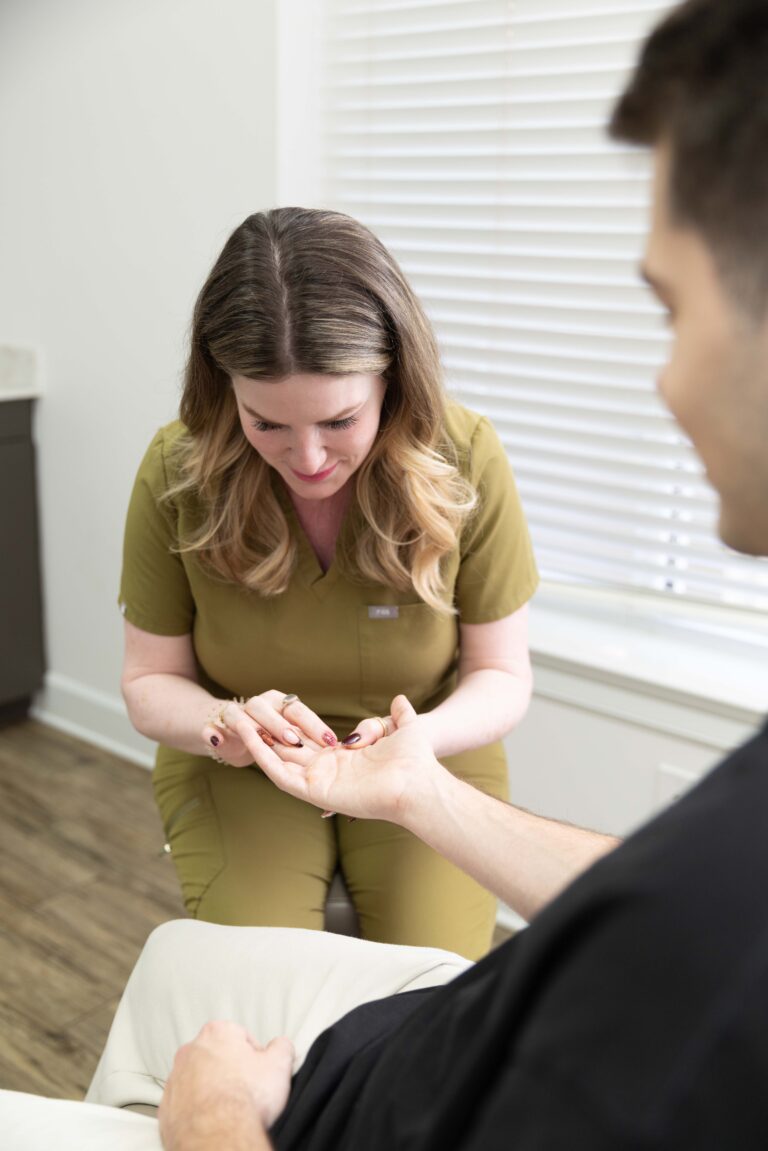
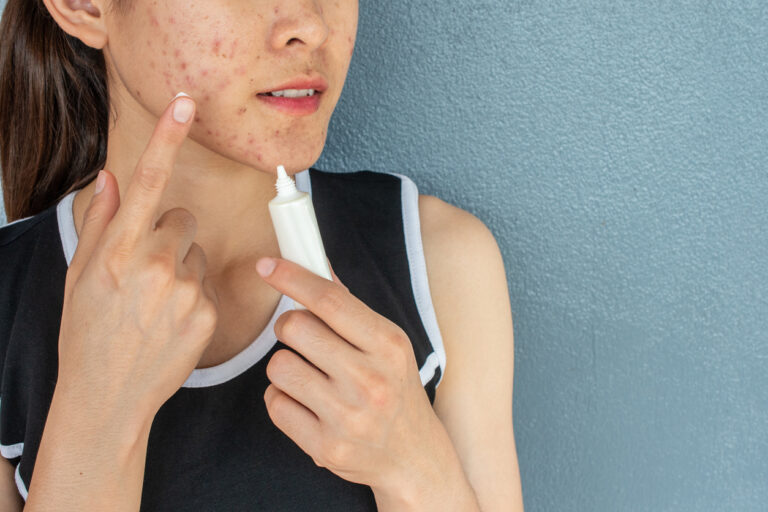
Acne is one of the most common skin conditions I see in my practice—especially among teenagers. It can be frustrating, sometimes painful, and often affects confidence right when teens are learning to feel comfortable in their own skin. The good news? Understanding why acne happens is the first step toward clearer, healthier skin.
Why Hormones Play a Big Role
During puberty, your body’s hormone levels—especially androgens—start to rise. These hormones stimulate oil (sebum) production in the skin. When there’s too much oil, pores can become clogged with dead skin cells and bacteria, leading to blackheads, whiteheads, and inflammatory pimples.
Hormonal fluctuations don’t just happen once, either. Teens may notice acne flare-ups around menstrual cycles, stressful times, or periods of rapid growth. For some, acne can even persist into adulthood when hormones continue to fluctuate.
The key is balance. While we can’t stop hormones from doing their job, we can work together to keep their effects on your skin under control—with the right skincare routine, topical treatments, or, in some cases, prescription medications.
Does Diet Really Matter?
There’s been a lot of debate about food and acne, but research is becoming clearer: what you eat can affect your skin.
- High-glycemic foods (like white bread, sugary snacks, and sweetened drinks) can raise blood sugar levels, which in turn increases insulin and hormonal activity that can trigger more oil production.
- Dairy products, especially skim milk, have been linked in some studies to increased acne—possibly due to hormones found naturally in milk.
- Balanced diets rich in fruits, vegetables, whole grains, and omega-3 fats (like salmon and walnuts) can help reduce inflammation and support healthier skin overall.
That doesn’t mean teens need to cut out every favorite food—but being mindful of balance can make a real difference over time.
Practical Tips for Teen Skin
- Keep it simple: Wash your face twice a day with a gentle cleanser—no scrubbing or harsh exfoliants.
- Hands off: Avoid touching or picking at pimples, which can make inflammation worse or cause scarring.
- Check your products: Look for “non-comedogenic” labels on skincare and makeup.
- Stay consistent: Acne treatments take time—often 6–8 weeks to show results. Patience is key!
- See a dermatology provider: Persistent or painful acne isn’t something you have to live with. We have effective, safe options—from topical medications to advanced therapies like oral treatments or light-based procedures.
A Final Thought
Teenage acne is incredibly common—but it’s also very treatable. If hormones or diet seem to be triggering flare-ups, we can find a plan that works for you or your teen’s skin. At Dilworth Dermatology & Laser, our goal is to help every patient feel confident, informed, and in control of their skin health.
If you or your teen are struggling with acne, schedule an appointment today. We’re here to help you take the next step toward clearer skin.